



Top Fleet Management System Features for 2026: Ultimate Guide
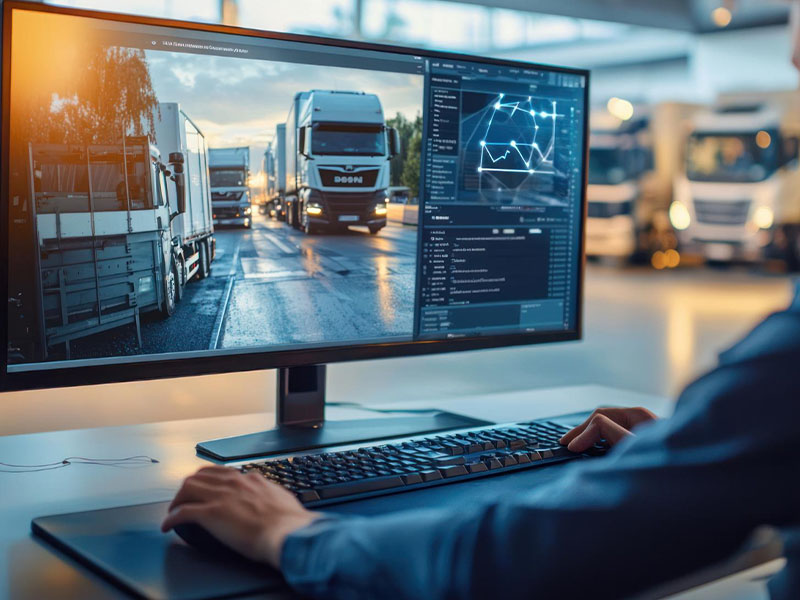
With the increase of competition in the global logistics and transportation industry, fleet management has developed GPS management. For the transportation industry, the Top Fleet Management System by 2026 would be modern smart systems that allow businesses to operate more smartly and safely. However, these advanced systems combine in a single ecosystem, real-time telematics, predictive analytics, AI analytics, predictive analytics and eco-sustainability tools to streamline operations and minimize costs in a greater manner.
This material is about the top fleet management systems to help fleet operators, business people, and logistics specialists understand and appreciate all features. Each of the features is equipped with practical benefits and future-ready capabilities.
1. Real-Time Telematics & Tracking
The foundation of top fleet management system is still real-time tracking. Modern telematics systems include constant streams of data, including vehicle diagnostics, driver behavior, fuel usage, and status warnings, in addition to merely displaying a vehicle’s location.
Key Capabilities:
- Live GPS tracking: Always gives the precise position of the car.
- Geofencing: When a car leaves a designated area, geofencing automatically sends out an alarm.
- Network-agnostic telematics: For remote areas, it operates via satellite and cellular networks.
Why It Matters in 2026:
Accurate, real-time data helps managers avoid unlawful usage, cut down on delays, and react swiftly to emergencies when fleets operate across cities and even nations. For operational management and customer satisfaction, real-time telematics is now essential.
2. Predictive Maintenance & Health Monitoring
One of the main causes of unanticipated downtime and expenses is mechanical breakdowns. Predictive maintenance will use AI and machine learning in 2026 to use real-time and historical vehicle data to anticipate any problems before they become serious.
Key Capabilities:
- Engine, transmission, and battery health monitoring
- Smart reminders for preventive maintenance
- Integrated repair history logs for better decision-making
Business Benefits:
- Extended vehicle lifespan: Proactive maintenance reduces wear and tear.
- Reduced downtime: Minimizes the risk of unexpected breakdowns.
- Lowered costs: Avoids emergency repairs and costly replacements.
Future Insight:
Advanced systems may even suggest part replacements automatically, integrate with maintenance vendors and predict fleet-wide maintenance needs for entire operations.
3. AI-Powered Analytics & Decision Support
Artificial Intelligence is redefining fleet management by turning raw telematics data into actionable insights. AI can evaluate routes, fuel efficiency, driver performance, and predictive maintenance, helping managers make proactive decisions.
AI Feature Highlights:
- Predictive vehicle failure alerts
- Automated anomaly detection for unusual driving or fuel patterns
- Behavior pattern analysis for driver coaching
Why It Matters:
AI is able to complete data analysis in a fraction of the time and introduce previously unavailable data analytics solutions based on unstructured data. This informs managers on how to refine driving behavior and optimize routing, and overall reduces operational costs. Decision support based on AI will be a necessity for fleets by 2026.
Expert Tip:
Systems that integrate AI and user-friendly dashboards are the most desirable because managers are able to implement real-time solutions.
4. Advanced Route Optimization
Route planning is no longer just the shortest distance from point A to B. Modern fleet systems use AI to consider real-time traffic, weather, vehicle type, delivery priorities, and legal restrictions.
Feature Highlights:
- Dynamic rerouting during traffic jams or road closures
- Multi-stop route optimization
- Fuel-efficient routing suggestions
Business Impact:
- Improves on-time deliveries
- Reduces fuel consumption and operational costs
- Enhances driver productivity and fleet utilization
2026 Trend:
Systems will increasingly integrate autonomous traffic predictions and AI-powered simulations to plan routes even before the day begins.
5. Driver Safety & Video Telematics
Fleet safety is more important than ever. Video telematics and AI-powered dashcams monitor driver behavior in real time, detecting risky driving events like harsh braking, distracted driving, and near misses.
Driver Safety Enhancements:
- AI-based dashcam monitoring and analysis
- Proactive safety alerts for drivers
- Personalized behavior coaching recommendations
Business Benefits:
- Lower accident rates
- Reduced insurance premiums
- Decreased liability risks
Expert Insight:
By 2026, video telematics will also integrate with in-vehicle coaching systems, providing immediate feedback to drivers to prevent incidents before they happen.
6. Compliance & Automation Tools
Fleet compliance is complex, but automated systems now make it simple and error-free. Platforms track driving hours, inspections, ELD reports, and other regulatory requirements.
Compliance Capabilities:
- Digital inspection and maintenance logs
- Auto-generated ELD records
- Real-time alerts for regulatory updates
Business Benefits:
- Reduces manual paperwork
- Prevents penalties and fines
- Keeps fleets audit-ready at all times
2026 Outlook:
Automation will evolve to predict upcoming compliance risks and ensure fleets stay ahead of evolving regulations globally.
7. Sustainability & EV Fleet Support
Sustainability is no longer optional; it’s a business imperative, and it becomes essential. Top Fleet management software 2026 now supports electric and hybrid vehicle fleets, tracking battery health, optimizing charging, and measuring emissions.
Emerging Capabilities:
- EV battery range and charging optimization
- Charging station route planning
- Carbon footprint and emissions dashboards
Why It Matters:
Supports green initiatives while maintaining efficiency and controlling costs. By 2026, sustainability features may also calculate cost per mile for EVs vs ICE vehicles, helping fleets make smarter investment decisions.
8. IoT Integration & Next-Gen Connectivity
IoT sensors are becoming essential in fleet management, providing data on cargo temperature, tire pressure, driver health, and more. Combined with 5G networks and IoT allows real-time monitoring across the entire fleet.
Key Benefits:
- In-depth insights into vehicle and cargo status
- Faster and more reliable data transfer
- Expanded sensor integration for smarter decisions
Expert Insight:
By 2026, IoT-enabled fleets will integrate predictive cargo monitoring, preventing spoilage and improving operational reliability.
9. Fuel Management & Theft Detection
Fuel is often the highest operational cost for all fleets. Latest systems track fuel usage, detect theft and integrate fuel card data with telematics to provide full visibility.
Fuel Optimization Features:
- Real-time fuel tracking
- Idle time reporting
- Integration with fuel card systems
Business Benefits:
- Reduces fuel waste
- Improves accountability
- Lowers operational costs
Fuel analytics will become more predictive, recommending optimal refueling schedules and preventing excessive fuel consumption before it happens.
10. Integration & Open API Ecosystem
Modern fleets use several software systems, from ERP and HR platforms to dispatch and safety tools. Open APIs allow seamless integration and ensure all systems work together efficiently.
Integration Advantages:
- Unified data across all systems
- Automated workflows and reporting
- Scalable solutions for growing fleets
Expert Tip:
Investing in platforms with a robust API ecosystem ensures your fleet system can adapt to future technology upgrades and expansion.
Conclusion
Fleet management in 2026 will go far beyond tracking vehicles. It will be smart, automated, and entirely driven by data. The top-of-the-line systems will be able to combine multiple functionalities, including AI analytics, predictive maintenance, real-time telematics, IoT integration, and tools for sustainability in one ecosystem. These will allow companies, regardless of their size, to operate small delivery fleets or large logistics businesses to cut operational costs, enhance driver safety, optimize routing, remain compliant with regulations, and adopt greener practices.
Aside from technology, investing in a top fleet management system that is ready for 2026 will be a strategic investment that will give your business a competitive edge, a clear pathway to growth, and a place at the forefront of the connected and automated transport industry. The right fleet management software will enable fleet managers to live smart, efficient, and confident in their ability to address the challenges of the future mobility ecosystem. If you are looking for top fleet management software, then choose Flotilla IOT as the Best Fleet Management Software to enhance your business.
FAQs
1. What makes fleet management systems in 2026 different from traditional GPS tracking?
In 2026, fleet management systems will go beyond GPS tracking. These systems combine real-time tracking, AI analytics, and predictive maintenance with route optimization, compliance tools, and other features into one platform. These systems allow businesses to make better decisions, save money, increase safety, and manage their fleets more efficiently.
2. How does predictive maintenance reduce fleet downtime and costs?
To detect early problems, predictive maintenance relies on real-time data from vehicles and patterns in the past. Fleet managers do not have to wait for problems to escalate. They receive alerts early. It reduces downtime and prevents expensive emergency repairs. It also extends the life of vehicles and keeps fleets operating smoothly.
3. Why is AI analytics important for fleet management in 2026?
AI analytics can help fleet managers transform large data sets into insights. It analyses driver behavior, fuel consumption, routes, and vehicle health. AI allows for faster decision-making, better route planning, and improved driver performance.
4. How do sustainability features support EV and hybrid fleets?
These GPS software allow fleets to track and monitor emissions, battery health, charging cycle, and energy consumption. These features are designed to optimize charging routes for EVs and hybrid vehicles and monitor driving distance. It helps companies transition to an eco-friendly fleet while achieving green goals and controlling costs.
5. Why should businesses choose an integrated top fleet management system like Flotilla IoT?
A system integrated like Flotilla IoT combines tracking, maintenance, and safety, fuel management compliance, analytics, and safety into one platform. This improves visibility and reduces the amount of manual work. It also ensures that fleets can scale as they grow. A future-ready solution will help businesses remain competitive, efficient,t and ready for 2026.
AI-Powered Fleet Management for the Modern World
The logistics and transportation industry is the most rapidly changing industry in the world. With business growth and...

Top Fleet Management Challenges in UAE | 2026 Guide
There have been rapid developments in the UAE’s fleet and logistics industry. With the rise of smart cities,...

Flotilla Live GPS Tracking UAE – Fleet Management Solutions
The UAE’s fleet management landscape is changing significantly. The transition has been swift and impactful, moving from conventional...